FIFA's Pierluigi Collina rejects bias claims after Argentina-Egypt controversy
 By
SABC Sport
By
SABC Sport
9th July 2026
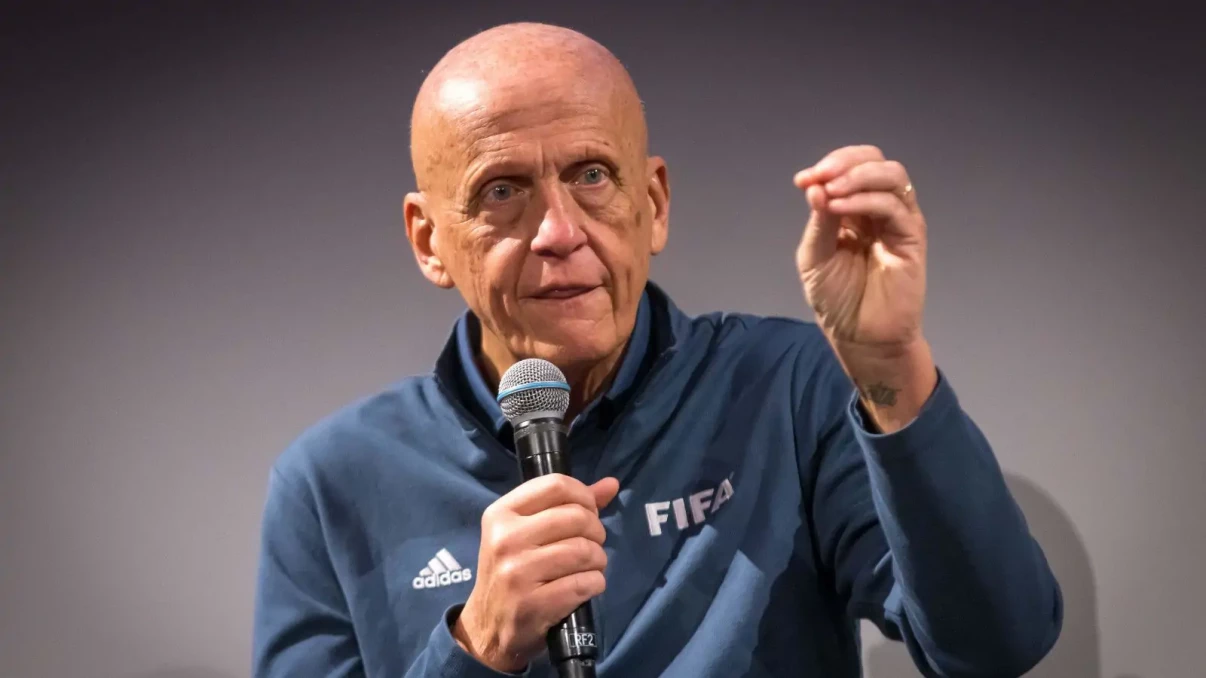
FIFA refereeing chief Pierluigi Collina has strongly defended the officiating in Argentina's dramatic 3-2 victory over Egypt in the FIFA World Cup Round of 16.
He dismissed allegations of bias and insisting that match officials performed their duties with complete independence.
Egypt's campaign came to a heartbreaking end after surrendering a 2-0 lead, with Argentina completing a stunning comeback through a stoppage-time winner from Enzo Fernandez.
Following the defeat, the Egyptian Football Association (EFA) questioned several key decisions made by the referee and the Video Assistant Referee (VAR), claiming they had been unfairly treated.
However, Collina rejected suggestions that FIFA officials were influenced in any way, stressing that while debate over refereeing decisions is part of football, attacks on officials' integrity are unacceptable.
"Constructive discussion about decisions will always be part of football, but unfounded allegations have no place in our sport," Collina told FIFA.com.
"Nobody can question the integrity of the FIFA World Cup match officials. Nobody can claim that FIFA refereeing can be influenced by anyone, not even by the FIFA president (Gianni Infantino)."
Collina also warned that accusations questioning referees' honesty could expose officials and their families to threats and abuse.
Among Egypt's main grievances was the disallowed goal scored by Mostafa Zico in the second half, which would have restored their advantage.
The North Africans argued the foul in the build-up was non-existent, while they also believed Mohamed Salah should have been awarded a foul moments before Argentina's winning goal.
Collina explained that VAR correctly advised the referee to overturn Zico's goal after identifying a foul by Marwan Attia on Argentina defender Lisandro Martinez during the attacking possession phase.
"We believe that a foul is a foul. Regardless of whether the foul appears obvious, if the referee did not see it on the field of play, the VAR can intervene," he said
He also defended the decision not to penalise Julian Alvarez for his challenge on Salah, saying both the referee and VAR considered it normal football contact.
While acknowledging that some incidents remain subjective, Collina said FIFA was satisfied with the consistent application of VAR principles throughout the tournament.
16_181x188.webp "lionel-messi-7-july-2026-(alamy)16.webp")


16_181x188.webp "puso-dithejane-bafana-debut-goal-4-october-2026-(bpp)16.webp")
Editors Pick
 How winning the Comrades changed George Kushe's life
 Mdaka wants sharper finishing after winning COSAFA U20 opener
 Proteas Women coach happy with boxes ticked on Zimbabwe tour
 We have failed as men - Temba Bavuma on GBV crisis in SA
 Proteas Women seal T20I series clean sweep against improving Zimbabwe