Nthabeleng Modiko backs coaching education to elevate womens football
13th April 2026
 By
By
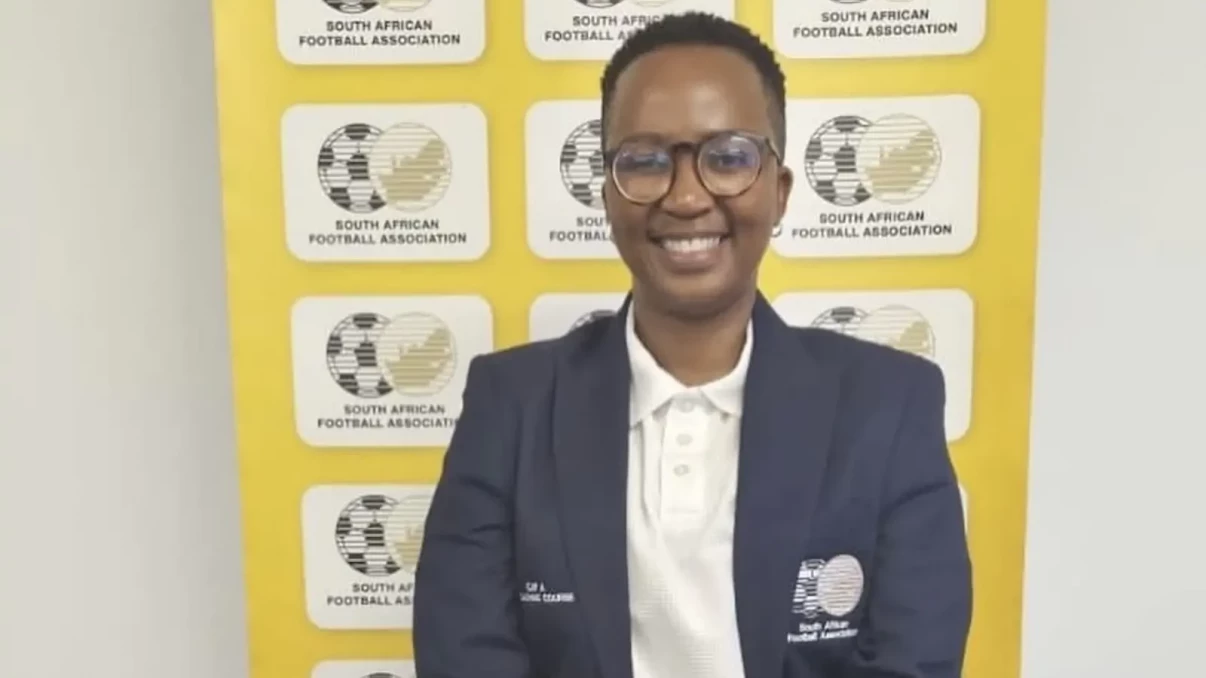
University of Johannesburg head coach Nthabeleng “Dunga” Modiko believes formal coaching education is key to advancing the women’s game and has called for more female coaches to pursue it.
This comes after she recently obtained her CAF A Diploma licence.
Speaking to SABC Sport, Modiko says she hopes to raise the standard of her team through improved leadership and technical expertise following her latest achievement.
“I’m elated and excited. I’ve been looking forward to this stage of my achievements and really appreciate all the support I received, especially from my family. They really helped me through a difficult time and process. I hope this licence can assist in improving the quality of my training and, in turn, the game of women’s football at UJ.
“With more coaches receiving their badges - including the CAF B for Women, which took place recently, and of course the CAF A Diploma - I think this helps improve the quality of our game across different leagues and structures, ultimately pushing South African football to be better all round. I wish success to all involved with SA women’s football,” said Modiko.
The CAF A Licence is one of the highest coaching qualifications offered by the Confederation of African Football. It enables graduates to coach at senior international level in both men’s and women’s competitions, including continental tournaments such as the CAF Champions League and the CAF Confederation Cup. Modiko says the qualification also opens doors to opportunities beyond South Africa.
“The licence does open up a few more options and pathways I could move into, even in international spaces, and that’s an avenue filled with many opportunities. At some point, I will consider those, but for now, I will continue focusing on my current objectives,” added Modiko.
She further adds that increasing access to coaching education programmes tailored specifically for women could play a vital role in growing the game.
“There is still a shortage of women coaches in football, and some of the solutions could come from making more coaching education programmes available exclusively for females. I also like that we have more women in my technical team – it diversifies skills and allows for better representation,” she expressed.


Editors Pick
 Rocco Meiring impressed by Tatjana Smith’s comeback
 Lizandre Mulder counting on home-ground advantage in Mangaung 10km
 Wiaan Mulder relishing new ball opportunity
 Miguel Cardoso reveals how Sundowns neutralised Pirates threats
 Rocco Meiring over the moon after Pieter Coetze breaks world record