 By
By
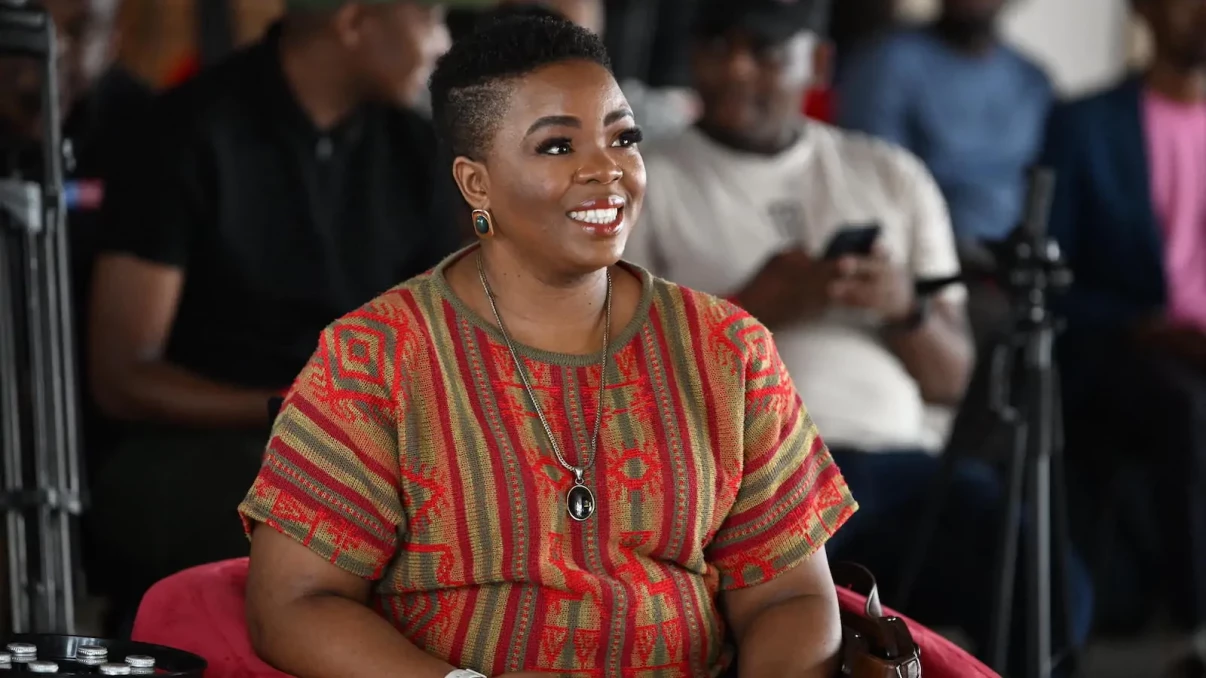
Former Banyana Banyana captain Simphiwe Dludlu says South African football must move beyond rhetoric on gender equality and adopt a clear pay parity model.
With no firm commitment to equal pay between the men’s and women’s national teams, Dludlu argues structured solutions – ranging from accommodation to equal match fees and bonuses – are needed to close the gap and ensure lasting change.
Now a coach and pundit, Dludlu shares her viewpoint.
"Some women will look at me and say I'm crazy, and maybe some will relate and see – I don't know, it's a different opinion, but from my own point of view when it comes to gender parity, if you're putting Bafana in a 7-star hotel, you can't put Banyana in a 2-star hotel," argued Dludlu.
"But because Bafana might have 10 sponsors and Banyana only two sponsors that would be paying for the hotels, you can put them in a 5-star while Bafana is in a 7-star hotel because they are comfortably taken care of – that's gender parity for me.
"If you are giving a bonus to Bafana Bafana, you certainly have to give a bonus to Banyana Banyana, and you can't be giving [Bafana] R50 000 appearance fee and no appearance fee for Banyana Banyana.
"Because all of us are contributing to the same effect of representing the national teams, isn't it? It might be you are giving R50 000 appearance fee to Bafana, you might give R25 000 for Banyana, and over the years with sponsors we might end up getting there."
Dludlu used the USA approach as an example that is leading the conversation on the matter but emphasised that the women’s game in SA needs more support.
"The TV rights are not the same, because right now the prize money for the World Cup is over US$200 000, and for the women's teams its not the same," she added.
"Because the game is watched more, or there's more money that comes in when it comes to the men's game than the women's game, however, let's take it to the US.
"The US Women's National Team brings in more money than the men's, but when both teams qualify for the World Cup, the prize money for the women is less than the men, so when we both go to the World Cup, we bring in money but it's not the same.
"For the men's game to be where it is now, there was a lot of investment – it's not the players who took money out from their pockets, which is what is demanded from the women.
"We have to take money out of our own pockets to contribute to the value of the women's game, we have to buy our own soccer boots, our own sports bras, tights, get ourselves to the game, and we don't get paid, yet we are contributing to the game that doesn't give us much.
"I have to go to school, go to work, and later come back to training – the men don't have to buy their own boots, he's earning R40-50 000 salary and still gets a boot sponsor, so he doesn't take out money to contribute to the game.
"But it's not the men's fault, who's fault is it? It's those that are in power; it's those that are making sure the men's game gets more money."


Editors Pick
 How winning the Comrades changed George Kushe's life
 Mdaka wants sharper finishing after winning COSAFA U20 opener
 Proteas Women coach happy with boxes ticked on Zimbabwe tour
 We have failed as men - Temba Bavuma on GBV crisis in SA
 Proteas Women seal T20I series clean sweep against improving Zimbabwe