Rassie Erasmus: World Rugby rule has created 'gap' between coaches and referees
 By
SABC Sport
By
SABC Sport
18th August 2026
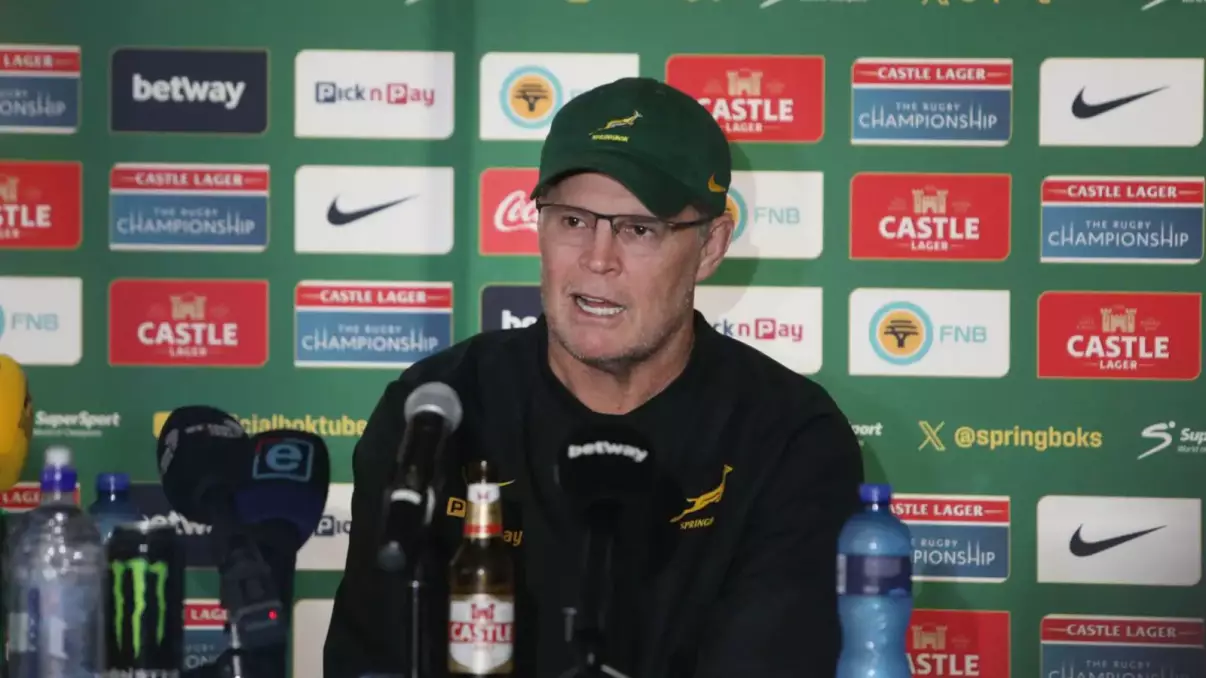
Springbok head coach Rassie Erasmus believes World Rugby rules on pre-game meetings with match officials are frustrating coaches and forcing them to voice their concerns in the media.
While coaches are still allowed to schedule pre-game meetings with match officials, the head coaches of both teams must now agree for the meeting to take place.
On the surface, this promotes fairness as one side would not be able to influence the referees without the other side being able to defend themselves.
However, it also means teams cannot discuss certain tactics they want to employ with the referee because it would remove the element of surprise for the opposition.
The situation has created an element of gamesmanship around the pre-game meetings because if one side believes the other would gain a benefit from the meeting, they can just decline to make sure it does not happen.
"There's definitely frustration among the coaches that you can't have meetings with the referee if both teams don't agree, and it's now at a stage where you almost accept that both teams' coaches aren't always going to agree to a pre-match meeting," Erasmus explained.
"I myself this week said no, we don't need one because it doesn't help now, after they played four games, and now we wanted to sort out things in three training sessions.
"We had to look at what they put on AMS, and that's a central system, and then sort of learn from what the answers are from World Rugby, and I don't think it's a tactic; it's an obvious thing: if you want to get something out, you have to get it out here because you can't really talk to the referee.
"Sometimes there are small things which you'd normally alert referees in meetings and say, 'Listen, we might do a midfield maul; just be aware of that and know the law'.
"Now you can't because you have to have the meeting with the other coach; you can't say, 'We might do a front peel in the lineout, maybe don't stand there when we do the front peel because you might not see if it's obstruction or not'."
Erasmus is concerned that the gap the situation has created between coaches and match officials means team leaders now often have no choice but to voice any concerns they might have in the media because they can't get clarity from the officials themselves.
"So, I think teeing up the referees with things you want to do is very difficult, and I totally understand why the All Blacks voice some of their concerns. If they genuinely believe we slow down the game, they can't say it's a meeting with us being present and we are arguing with them," he continued.
"It's a very natural thing to do in the media now. I feel, and I know a lot of international coaches feel that way - it's very clear what you must do and what you can't do - it's in place, and we understand that it's there. I don't understand why it's like that, but I think there's definitely a gap now between coaches, scrum coaches, and referees, and small tactical things - then you voice your opinion in the media. That's the only option."


Editors Pick
 How winning the Comrades changed George Kushe's life
 Mdaka wants sharper finishing after winning COSAFA U20 opener
 Proteas Women coach happy with boxes ticked on Zimbabwe tour
 We have failed as men - Temba Bavuma on GBV crisis in SA
 Proteas Women seal T20I series clean sweep against improving Zimbabwe