 By
By
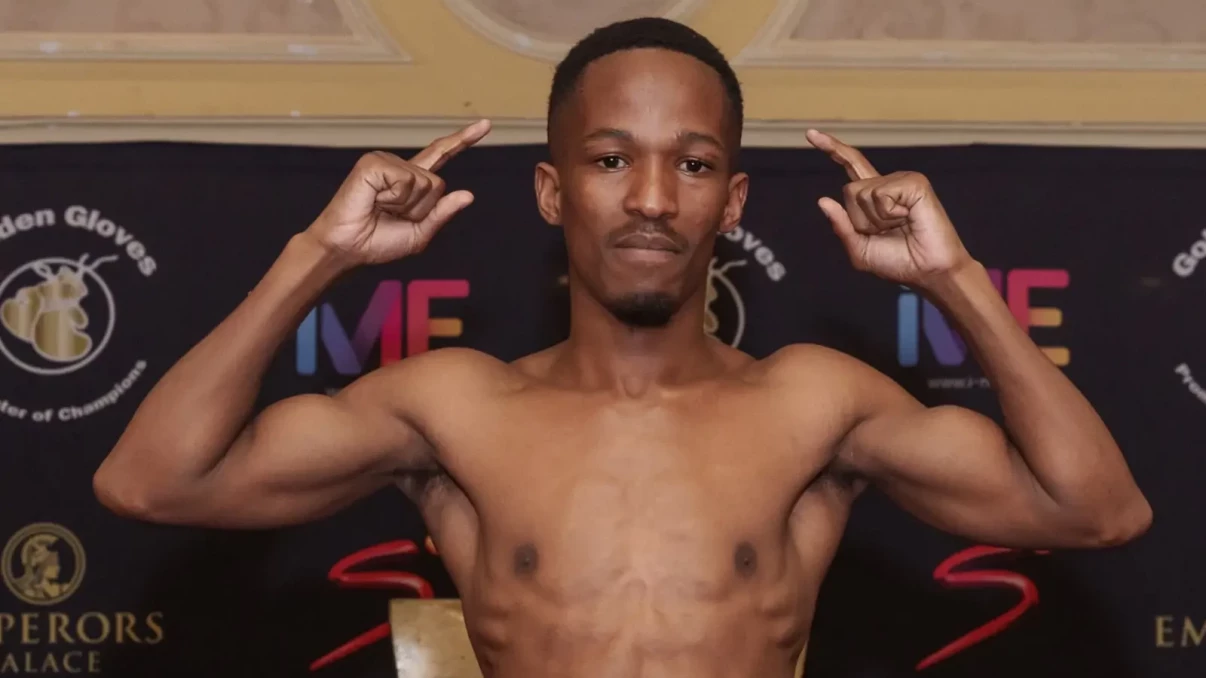
New WBC Strawweight Champion of the World, Siyakholwa Kuse says he is proud to be a part of history after a career-defining performance against Melvin Jerusalem at Emperors Palace on Saturday night.
This is what the newly-crowned champion had to say on the preparations and the execution of his dream, the second time around.
"Working with Manny Fernandes and sparring the Malajika brothers has never been easy, but this time I pushed myself a lot every day in the gym so that I can make history for my country and my province," said Kuse.
"When I look at the records of the WBC, there is no one from the Eastern Cape, so I think I’ve made them proud.”
The two fighting men were circumspect in the first two rounds but in the early moments, “One Way” successfully planted some traps and was hopping in and out of the exchanges without taking any real damage.
As is customary with WBC World Title fights, the scores were made public after the first four rounds and, at that point, one judge had it level, while one judge favoured Kuse and the other Jerusalem.
In the lead up to the fight Kuse also mentioned that he was working on his speed and power, which were the two ingredients that propelled him to victory against the tough as nails “El Gringo”.
Fighting out of his southpaw stance, Kuse was having a field day with his straight-left down the pipe and from time to time threw in the odd right hook that connected flush on his Filipino opponent.
By the 8th round, Kuse was leading the fight quite comfortably on all three scorecards, while Jerusalem was starting to bleed profusely, and the damage was starting to have an effect.
Kuse may have survived a flash knockdown in the 11th but he did not appear shaken after what was a commanding display of great speed and technique.
There are still those who believe the South African did enough to win the first fight in the Philippines, but this result at Emperors Palace was emphatic.
The final scorecards read: 111-116, 112-115, 112-116 – all in favour of the first-ever WBC champion from East London, only the fourth South African WBC Champion in history, and the first to win the coveted belt on home soil since the great Dingaan Thobela in 2000.


Editors Pick
 How winning the Comrades changed George Kushe's life
 Mdaka wants sharper finishing after winning COSAFA U20 opener
 Proteas Women coach happy with boxes ticked on Zimbabwe tour
 We have failed as men - Temba Bavuma on GBV crisis in SA
 Proteas Women seal T20I series clean sweep against improving Zimbabwe