Time for CAF to review judicial bodies after shocking decision to award AFCON trophy to Morocco — Pius Ndubuokwu
18th March 2026
 By
By
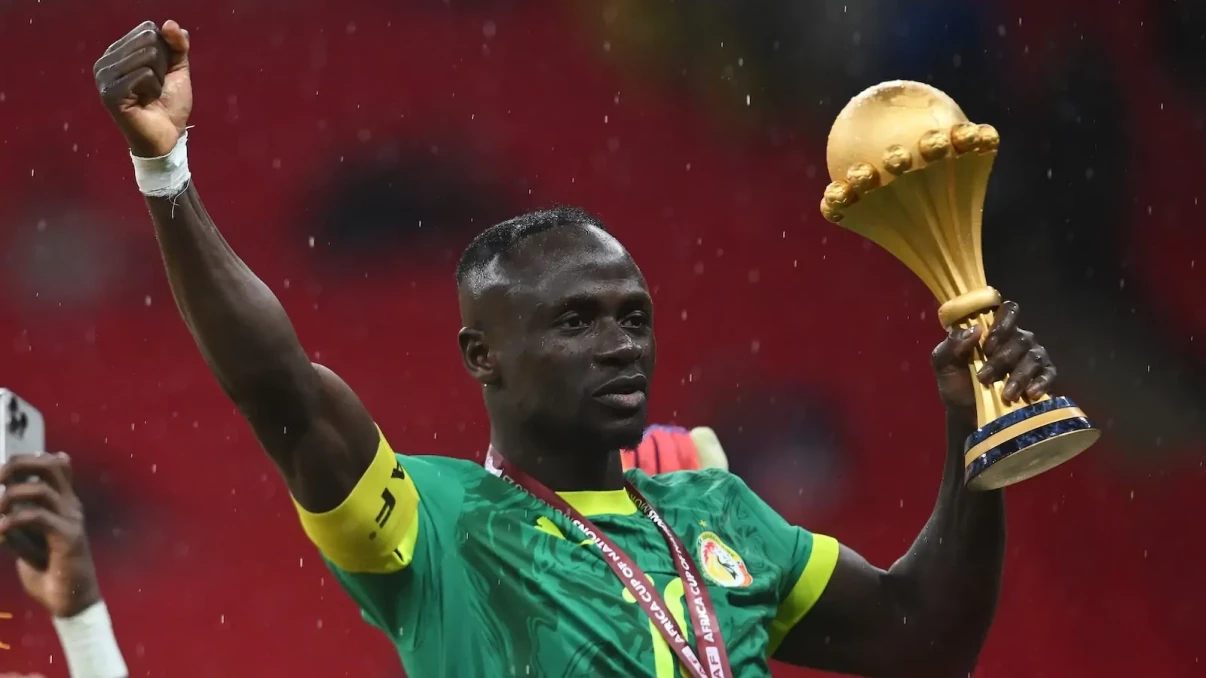
One of Africa’s leading sports law experts, Pius Ndubuokwu, says the latest decision by the Confederation of African Football (CAF) Appeals Board to reverse the result of the Africa Cup of Nations (AFCON) final between Senegal and Morocco is putting the spotlight on CAF to review how its judicial bodies are constituted.
This follows last night’s decision by this arm of the CAF judicial body to award Morocco a 3-0 victory in the AFCON final after ruling that Senegal forfeited the match due to misconduct.
Ndubuokwu says articles 82 and 84 of the AFCON regulations were applied wrongly in this case...
"Sports Law includes business law, contracts, intellectual property, criminal law for match fixing, anti-doping and so on. However, we must have people who are knowledgable in the specific areas of sports law, and a just a general lawyer cannot be qualified to sit on a CAF Appeals body, we must bring in people who are experts in football regulations. I'm not saying they aren't competent, but CAF needs to invest in the education of the members on judicial bodies."
Ndubuokwu has also looked at other similar cases that were precedents the CAF Appeals Board should have considered before reaching its ruling, including the 2019 CAF Champions League final between Esperance de Tunis and Wydad Casablanca, but he identifies what was different about that game, as compared to this final, which Senegal won 1-0 after extra-time.
"There is an important element here, which people should consider here, and that is the match report. In the case of Wydad Casablanca and Esperance Tunis, players left the pitch after a goal was disallowed and there was no VAR intervention and they ruled that match a forfeit in favour of Esperance Tunis.
"Now in this case, the players left the pitch but they returned and the referee continued the match."
As correctly stated in the FIFA Laws of the Game, which govern how referees officiate matches, Law 5.2 clearly stipulates that the referee’s decision is final and that even the CAF Appeals Board cannot change it, as Ndubuokwu explains...
"I'm saying that in this scenario, I'm not supporting the actions of Senegal, but if the referee had refused to bring them back to the field of play we would not be in this place, but they were admitted back into the field of play, the match went on and the referee blew the final whistle and so the CAF Appeal Board does not have the power to overturn the decision of the referee."
The Senegalese Football Federation (FSF) has served notice to CAF to suspend the implementation of this Appeal’s Board decision pending the final arbitration.
They have also informed them that, within 48 hours, they will take the matter up with the Court of Arbitration for Sport (CAS) in Switzerland to seek an outright annulment of this decision.
Ndubuokwu has no doubt that Senegal’s appeal will be upheld at CAS...
"The CAF Appeal body failed to distinguish between this case and other examples when players left the pitch and the match was forfeited, but in this case players were allowed back onto the pitch and there was a final result.
"So I think they failed to distinguish the facts correctly. I believe when the case goes to CAS, the decision will be overturned."
According to Ndubuokwu, from a legal standpoint, Senegal’s potential appeal to CAS would likely focus on three key arguments: the misapplication of Articles 82 and 83, the improper use of Article 84 without a valid trigger, and the overturning of a completed match result.
Related News

16_181x188.webp "ibrahim-mbaye-16-june-2026-(alamy)16.webp")


Editors Pick
 Springbok Women settle into Cardiff as Wales challenge looms
 Bjorn Fortuin taking confidence from Namibia into Aussie series
16_144x91.webp "Aryna Sabalenka punished for US Open final outburst") Aryna Sabalenka punished for US Open final outburst
Aryna Sabalenka punished for US Open final outburst
 African Stars seek advice over Kanalelo’s surprise Marumo Gallants switch
 Lutendo Maiwashe confident SA can retain Africa Cup title