Rwanda using sports facilities to uplift small businesses and create employment
13th October 2026
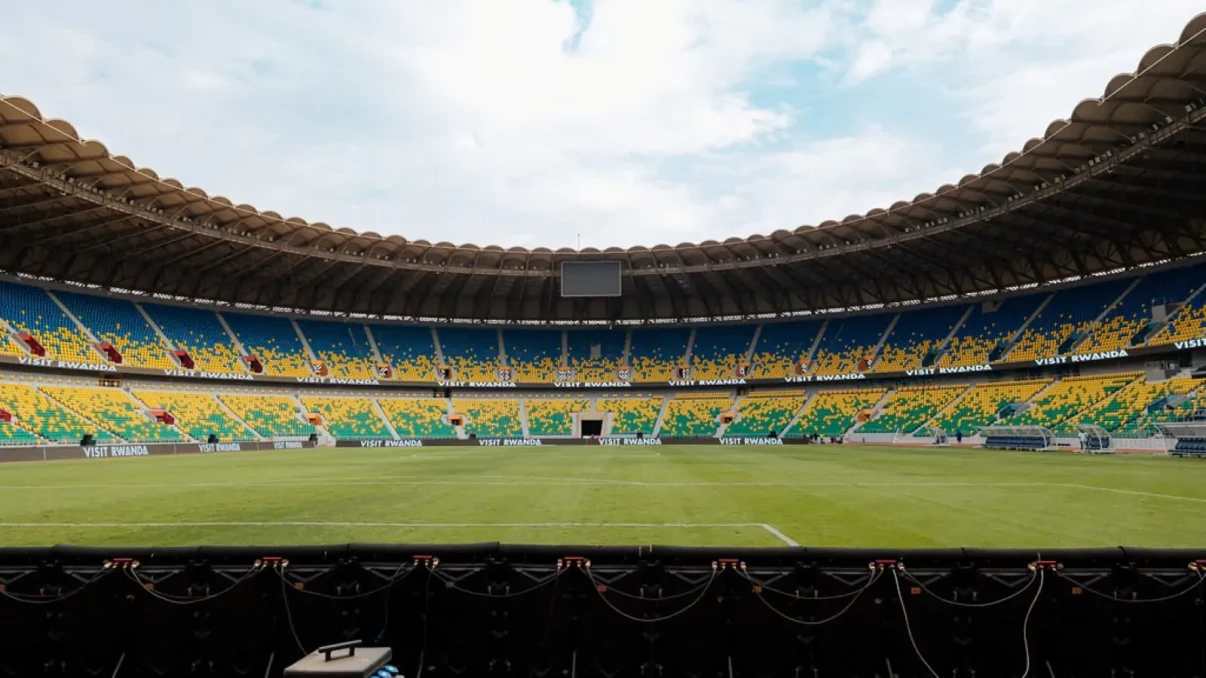
QA Venue Solutions managing director Guy Hedderwick has shared in a sit down with SABC Sport how Rwanda uses sports facilities like the Amahoro Stadium, the BK Arena and the Zaira Court to invest back into small businesses and create job opportunities in the country.
The Amahoro Stadium went through a major renovation which was estimated at around $165 million (R2 636 368) between 2022 to 2024, also being expanded from being 25 000 to approximately 45,508 seats to meet both FIFA and World Athletics Standards.
Hedderwick explains how it was also advantageous to have the facilities in the same place after creating 31 000 jobs and working with 642 small businesses in the last five years.
"Keep things going, keep monetizing, and keep creating opportunities to generate money in the area. You know, in the last five years, 31,000 job opportunities were created from these two buildings. Six hundred forty-two small businesses engage every day on-site. In this stadium, we had 100 people cleaning and working," said Hedderwick.
With different stadiums in the world focusing on monetising beyond match days, The Adelaide Oval Stadium in Australia have the Oval Hotel integrated into the stadium.
QA events targets hosting 50 on field events a year at the Amahoro Stadium, with the stadium also being used for retail spaces, offices, every single day and generating money.
A huge concern that usually comes with hosting different events in a sports facility, especially a football stadium, is how would the stadium management then maintain the grass.
Hedderwick says the grass gets damaged even on match days, so maintenance is important.
QA Venue Solutions was appointed to manage these facilities back in December 2025.
The managing director speaks about the importance of safety in the stadiums and how their company has adopted a customer first approach in stadium management.
Editors Pick
 Rocco Meiring impressed by Tatjana Smith’s comeback
 Lizandre Mulder counting on home-ground advantage in Mangaung 10km
 Wiaan Mulder relishing new ball opportunity
 Miguel Cardoso reveals how Sundowns neutralised Pirates threats
 Rocco Meiring over the moon after Pieter Coetze breaks world record