 By
By
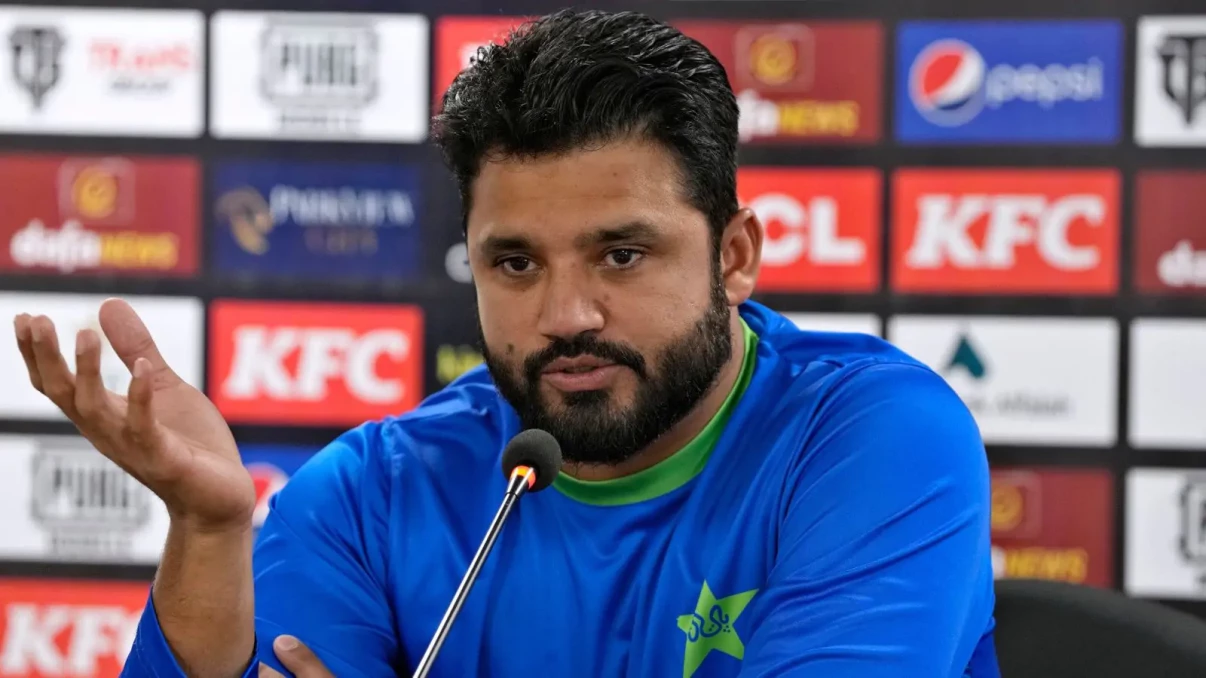
Former Pakistan batter Azhar Ali has condemned the Pakistan Cricket Board's handling of the national team, arguing that job insecurity among officials and players is fuelling the country's cricketing problems.
Azhar, who previously served as a PCB selector and held youth development positions, believes officials preoccupied with protecting their own positions are less likely to make sound decisions for the team.
He has called for a long-term strategy built around collective decision-making and greater involvement from Pakistan's leading players.
"The real problem is the lack of vision among the people working at the PCB. It also raises questions about the competence of the people making these decisions," Azhar said as quoted by Dawn.
"Job security seems to be the biggest concern. When you are trying to save your job, competence goes out of the window. If cricketing decisions are not being taken by cricketers, then it is also the fault of the cricketers themselves.
"It creates insecurity among the players. You can see it in their body language. They are under mental stress and are not able to absorb everything that comes with these decisions. There are times when you have to make hard decisions, and I think those decisions should be made but the players need to feel that they have some security and that they can stand their ground.
"There has been instability and inconsistency all around - political instability, changes in coaching and changes in selectors. The people running the cricket board are trying to save their job, while the players in the team are also thinking about their own future. I don't blame the players for that. If I am in their position, I will also think about myself.
"First of all, we have to make sure that we know what our problem is. If you don't know the problem, there can be no introspection and no realisation. Until you realise where you stand, the journey towards improvement cannot begin. You cannot keep taking one step forward and two steps back."
His comments come amid significant upheaval following a string of poor Test results. Sarfaraz Ahmed was removed as red-ball head coach after overseeing five defeats in six Tests, including successive losses to England.
The PCB has since replaced bowling coach Umar Gul with Australian Ashley Noffke, while white-ball coach Mike Hesson took charge for the third Test.
Seven players were also sent home, including Mohammad Rizwan, Imam-ul-Haq and Salman Ali Agha. Azhar believes systemic failures, rather than technical shortcomings, are behind the struggles of stars such as Babar Azam and Rizwan.
Related News


16_181x188.webp "ollie-robinson-30-august-2026-(alamy)16.webp")

Editors Pick
16_144x91.webp "Proteas suffer another injury setback as Lutho Sipamla ruled out of Namibia tri-series") Proteas suffer another injury setback as Lutho Sipamla ruled out of Namibia tri-series
Proteas suffer another injury setback as Lutho Sipamla ruled out of Namibia tri-series
 Taylor Kavanagh sets her sights on the World Champs after winning Durban 10km
 Orlando Pirates make history with fifth straight MTN8 Final
 KZNA and Comrades Marathon set for crucial talks to resolve their differences
 Tashreeq Matthews reveals the secret to staying fresh in hectic schedule